


Posted by Makan on 6/11/2014 to
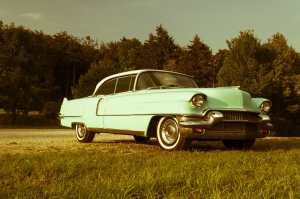 If you have not "summer-ized" your car yet, now might be a good time to do this. With the oppressive heat - which, for most cars, is not confined to the desert climates of the country - your car could be rife for damage that can be heat-related.
 And there are very few parts of your car that would be immune from possible heat damage by being overexposed to the sun and/or heat. So, here are the top maintenance tips to keep your car running effectively in the summer months - at least, if you really have to take it out of the garage and drive it around in the sunlight.
- Tires. Make sure they are properly inflated to the correct pressure: under-inflation can lead to a blowout with the high temperatures, and over-inflation can wear tread unevenly and lead to hydroplaning during the wet season.
- Oil. Many people use their cars more in the summer than they do during the rest of the year because of vacations and family visits, which makes the oil all the more important. If you change your oil every 5,000 miles the rest of the year, it might not be a bad idea to do it every 3,000 miles during the summer - especially if you are doing heavy driving.
- Other fluids. Before you go on that first big summer trip, make sure to check all your fluid levels - brake fluid, windshield wiper, power steering, transmission, coolant, etc. - and pay attention for possible leaks.
- Hoses and belts. These are vital to keeping your engine cool. Look for cracks on hoses, especially near clamps when the hose attaches to the radiator or the engine. Also make sure hoses are firm, not soft. For belts, look for cracks and check for a belt feeling too slick or smooth. Check your maintenance record; if it has been more than 36,00 miles since you changed your belts, it would be a good idea to do that now.
- Air filter. The general rule is every 12,000 miles, but that can vary based on the air and the road conditions. However, if you have not changed it since before winter, it might not be a bad idea to change it to be safe. Fuel economy is important with heavy driving.
- Wipers. In some parts of the country, rain showers can come rather unexpectedly during the summer, so it's a good idea to get the wiper blades replaced, especially if you heard squeaking or noticed some streaking when you used them during the winter. And it's best to replace the whole blade, not just the rubber, according to car experts.
- Brakes. get them professionally inspected just to make sure; but if you have heard some scraping sounds or if your brakes were feeling very hard or very soft lately, then you should take the car in and have the brakes replaced, not just inspected.
- Coolant. It should be flushed out every couple of years, and it's best to run a 50/50 mixture of coolant and water through your cooling system during the summer. If there is a leak, get it fixed; low coolant levels can compromise your engine's temperature.
- Battery. Did you know that summer heat actually shortens battery life more than winter? Heat overcharges the battery, which can quickly deteriorate its life span. Wipe the terminals regularly and then make sure the re-connections are strong, and check the charge with a special gauge to ensure there is enough juice. When it doubt, change the battery.
- The A/C. The guideline is that your A/C in the car should be able to blow air as low as 50 degrees below the outside air temperature and do it consistently (not that you will actually lock it in at that temperature). If it just can't seem to get cold enough, have a pro check it out, because there could be any number of reasons that you're having trouble.
Featured BrandsSee All Brands


